Once – Morris Gleitzman

IMG_0190

“Everyone deserves to have something good in their life. At least once.”

Shockingly, I had not even heard of this book until recently. Teaching World War II to eight year olds, I was researching ‘quality texts’ to enrich their learning. I came across this book during my search and bought it, thinking – naively – that it looked like a nice children’s book.

I settled down on a Sunday to start reading, and did not move or even look up until I had finished. At this point, tears were streaming down my face (and I would not describe myself as a particularly emotional person) and I immediately bought the rest of the books in the series (Then, Now, After, Soon).

The subject matter is not easy. Written from the viewpoint of a young Jewish boy, we witness the horrors of the Holocaust with all of the innocence and pure ignorance of a child. I cried and cried – not only for Felix and his friends, but for every man, woman and child who had to live through (and likely die during) this terrible time. Felix may not have existed, but boys like him certainly did and through this novel, we can see the dangers in not confronting this kind of behaviour.

Everyone knows the Holocaust was terrible, but sometimes it is easy to overlook the human element. Read this book. Absorb this book. Let’s work together to ensure this stops and never happens again, particularly in this divisive world.

10/10

Once (Once/Now/Then/After)

https://storage.ko-fi.com/cdn/widget/Widget_2.jskofiwidget2.init(‘Support Me on Ko-fi’, ‘#29abe0’, ‘P5P49PBMG’);kofiwidget2.draw();

Norwegian Wood – Haruki Murakami

Murakami Norwegian wood

“When it’s raining like this,” said Naoko, “it feels as if we’re the only ones in the world. I wish it would just keep raining so the three of us could stay together.”

Murakami needs no introduction. If you have read none of his work yet, then change this right now. Order a copy of one of (any of) his books and get reading.

I first fell in love with Murakami when a colleague gave me a copy of Sputnik Sweetheart. The novel filled me with confusion and left me with unanswered questions for weeks. I still think about it now.

Norwegian Wood is a very different story. On the surface, it is less complex – it left me with fewer sleepless nights – but still deals with hugely complex themes.

The main characters are trying to fling themselves into adulthood, whilst still reeling from the loss (by suicide) of a friend and lover. Murakami deals with mental illness and depression with great compassion, whilst not shying away from the horror it can bring. We never learn why the friend committed suicide – he is a popular, bright and loved individual; or at least, that is how he is viewed by his friend.

Every time I read Murakami, I am left with more questions than when I started, but this book left me considering, particularly in light of our modern world and the image we portray on social media, how easy it can be to hide struggles from those we are closest too.

This book is by no means an easy read, but I would say it is a necessary one.

10/10

Norwegian Wood

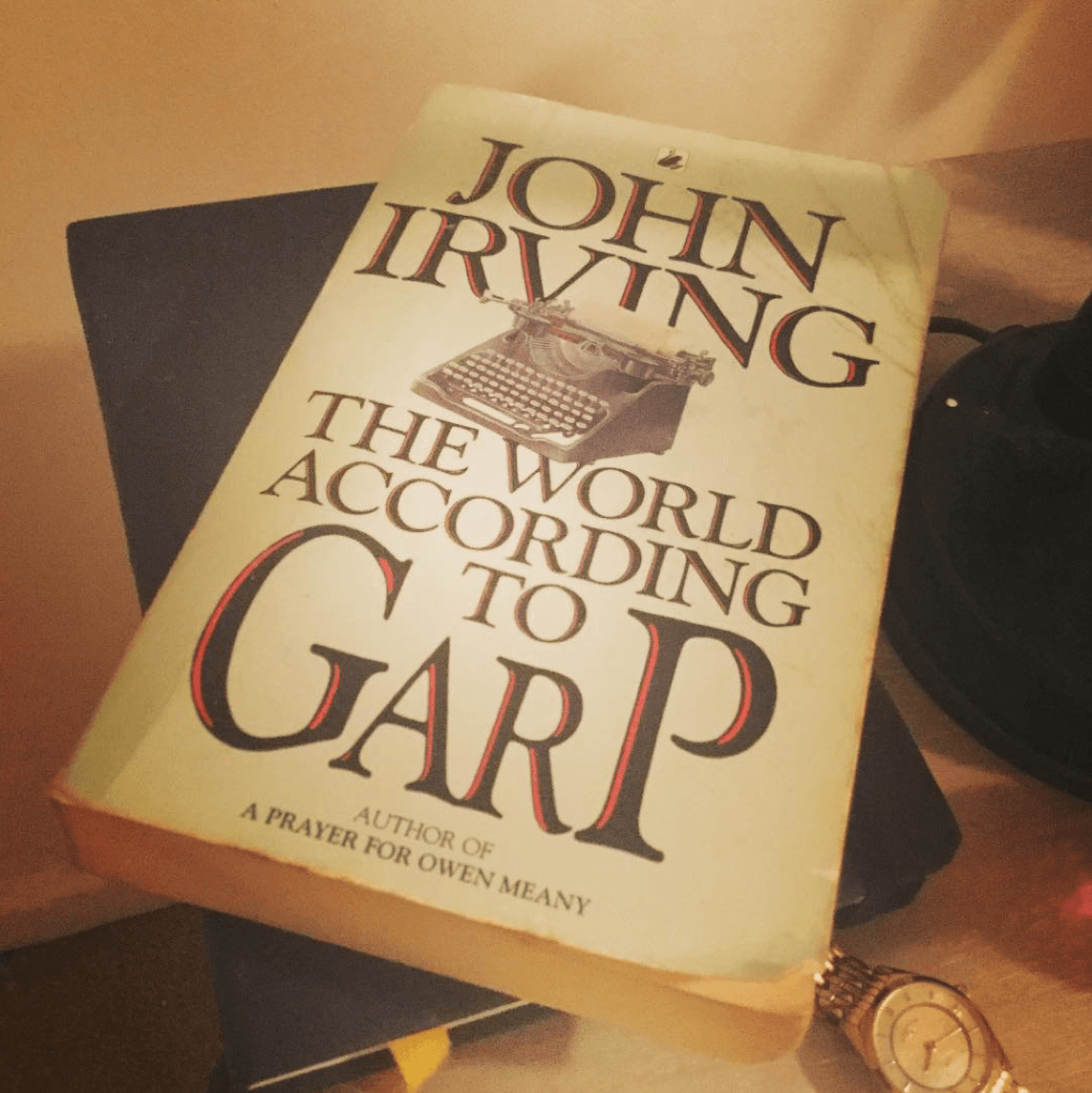
The World According To Garp – John Irving

“In the world according to Garp, we are all terminal cases.”

The World according to garp, John irving

When I began reading this book, I was confused. It featured in at least the top 20 of many lists of ‘100 books to read before you die’, and anyone who knows me knows I love to peruse these lists to ensure I’m reading/have read all of the books I should have (I do this entirely aware that it’s all a marketing ploy, but can’t help myself.)

I was so confused because, although very well written, the first half of the book is – dare I say it – quite mundane. I enjoyed reading about Jenny Fields’ life, she seemed an interesting person, but I found myself wondering when the action or the beauty or the pure, enlightening knowledge would kick in. This didn’t happen. Instead, I found myself growing fond of such a real, deeply flawed character as Garp is. True – at some points in the novel I detested him and his small-mindedness. But, at the same time, I grew more and more impressed with the unflinching depiction of the man. It is easy to imagine this man existing, and so the beauty of the novel is the ability that Irving gives you to step into another’s shoes and live and breath their (many) mistakes and achievements.

Feminism is a theme which runs through the novel and initially I was cross that this was depicted through the eyes of Garp rather than his heroic mother. By the end, I had understood how interesting it was to have feminism seen through the eyes of Garp. Read it – and you will understand.

This is not a quick read, but get to the end and you will be deeply rewarded with a new sense of perspective.

9/10

 The World According To Garp (Black Swan)