The Key

A short story by Harriet Young

Floating Citadel by Pobble365

“We’re just two souls in a fishbowl, bouncing off the side,” he cried, as he leapt and he died.

The silence thrummed, like a drum. A pounding beat, like blood in a skull.

*

It had been ten days since the key was lost. Then the ground fell away, and our lives took off. It began as nothing, as an inconvenience, a novelty. Then it grew to a beast, something with a mind of its own.

Where to start. With the key, I suppose. I had recurring nightmares that left me thrashing, unable to breathe. Claustrophobia is a terrible thing. They happened night after night, I’d wake in a sweat. I couldn’t comprehend the horror inside. Work fell away – I passed through days in a daze. And night after night, the key came to me.

Keys might mean security, protection or adventure. A key to a safe, to a door, to a new world. But not for me – oh no, not for me. For me they creaked in locks, to trap me in a box. The key in my dream rusted in place, parts fell away and time lurched past. I struggled and screamed and cried, but still in my dark musty box I’d abide. I tried to break free, I did. But the box was strong and the lock was eager, it wouldn’t very well abandon its role. So this was how my nights were spent.

The days were worse. Acrid coffee scorching my tongue, anything to keep the shadows at bay. Eyes bruised with exhaustion and body slumping forwards, I saw my life through a sheen of fog. Everything tasted foul, ash in my mouth, no pleasure in anything. He felt it too – I saw it in his eyes. The key haunted him also, just buried deep inside.

He was gentle and kind, in his way. He covered me in blankets when I gave way to the key. Led me blindly through days and made sure that I ate. He muffled my screams in the dark, late at night. It felt like love, that’s it. It did.

But fog. Fog. Fog is a dangerous thing. It is forceful, in a quiet, disobedient way. It does as it likes, it hides what it likes. And suddenly, or perhaps gradually, you feel less like a normal person anymore. You don’t notice until it has happened, and when it has happened, you’re too far from the shore to row your way back. What is there to do, but float?

So that’s what I was doing. Floating by day, bowing to the key at night. Groundhog Day, they say, don’t they. But that’s not what it was – each day of floating was a little further from land, and each night the key grew, monstrous and grand.

Then.

Who can say how much time passed? When you are in the wilderness, time is not your friend. But be it months, or years, or decades – who knows – there was one moment when everything changed. A click, a tap, a crunch, a grind. The sound. I was in my box, in the dark, nowhere to hide. But the key was moving – slowly, so slowly, its grandeur was fading.

Inch by inch, the giant key moved. This was new. What to do? I was statue-still, eyes fixed on the lock. That I could not see, the dark enveloped me. It crunched as it turned. A click and then…ringing clear through the fog, it fell to the ground.

I was desperate and scared so for some time I didn’t move. Then, my courage surged. On all fours I crawled to the door; peered through the keyhole, the key was there no more. Gently, I placed my hand on steel. Held my breath and pushed. Movement, freedom! The fear was enormous, pressing on my lungs. What could be out there? Perhaps, perhaps, the key was my protector after all.

Breathe, breathe. Slow, slow. Breathe, breathe, slow, slow. Breathe. Ok.

I pushed a little harder, froze as the door emitted a skull-splitting creak.

Silence.

I pushed again. The door was open, I was free. The darkness and fog closed in but, my God, I ran. I ran and I ran, the fresh cold air burning my skin. My bare feet revelled in the sharp stinging pain. My mouth curled into an unfamiliar smile.

That morning, I was brand new. I awoke refreshed to a bright, clear sunrise. The curtains were open, the covers kicked away. He lay beside me, frown flickering. I revelled in a stretch, clawed sleep from my eyes. I showered and smiled. New days. New skies.

So that is how the key was lost. Ah, I look back now and cry. I thought it was the start, the beginning. But what was set free from that box?

He was pleased to see the change, that day. His face relaxed at my wide, easy grin – I kissed him, I twirled, set off on my way. Said no to coffee, laughed through my tasks, filled full with energy, I could do anything at last.

I could dance. I could sing. Have you seen the sky, through the fog? It’s a wonderful thing.

I came home that night, a new spring in my step. But one look at his face and my hope fell away. The key – it had him, deep within, I could tell. His brow was furrowed, the shadows were there. I stared into his eyes, begged the key to leave. Shouted and screamed. I lifted my hands and…

The crash threw us to the floor. The first crash, I should say, for there were many more.

We lurched to the side, I rolled away from a falling mirror. Everything crashed, all we owned.

And as soon as that happened, another crash, we were thrown in the other direction. I screamed and hid my head my hands; a glimpse through my fingers showed me he did the same. We stayed in a foetal position until the ground steadied. Everything around us was gone, thrown asunder. The things we had loved, all crushed and cracked. The carefully positioned belongings damaged, all moved. The sofa’s arm rested through the broken screen of the TV.

We exchanged a glance, arose, like new born lambs. Legs shaking eyes darting we extended our arms – help me, we shouted, help me, I cried.

I leaned from the window, saw what I could see. The earth had quaked, we had risen. Our home was anchorless, blowing away. Ripped from our chains, we left solid ground. The key had gone and we were free, swept up and away into the bright night sky.

First the house swayed gently in the breeze before gaining traction, soaring and spiriting away. We gazed from the windows, helpless as babes. Our town became smaller, streetlights hazing and fading, cars became ants and soon everything was gone. Mist obscured our view – we had reached the clouds – and that’s when the soaring slowed to a floating, steady and gentle, onward and onward.

For days we drifted. We were content to begin with, until we realised. Without the key, there was no fog. Without the fog, there was nowhere to hide.

And with nowhere to hide, our anger grew. We argued about blame, about who it belonged to. We argued about fury, and who should have most. We argued about love, and why it had died.

We were trapped in our gliding prison, two bodies at war. Until, that day, he fell from the side.

If you liked this, you can buy me a coffee by making a donation below. No pressure and it is certainly not expected, but each donation gives me the sweet caffeine I need to carry on writing. Thank you!

https://storage.ko-fi.com/cdn/widget/Widget_2.jskofiwidget2.init(‘Support Me on Ko-fi’, ‘#29abe0’, ‘P5P49PBMG’);kofiwidget2.draw();
Writing – How to Start and How Not to Stop

Without doubt, writing can be both the best and worst thing in the world. The feverish force of creation can pull at you, power you – and, just as easily, petrify you like Medusa.

When gripped by that glorious sense that you could write forever, and what you are writing is good, there is nothing better. A shame then that this occurs so rarely! Whether you are a seasoned writer or just starting out, there are so many things that seem to want to trip you up. Writer’s block, procrastination, imposter syndrome…these can so easily affect all of us.

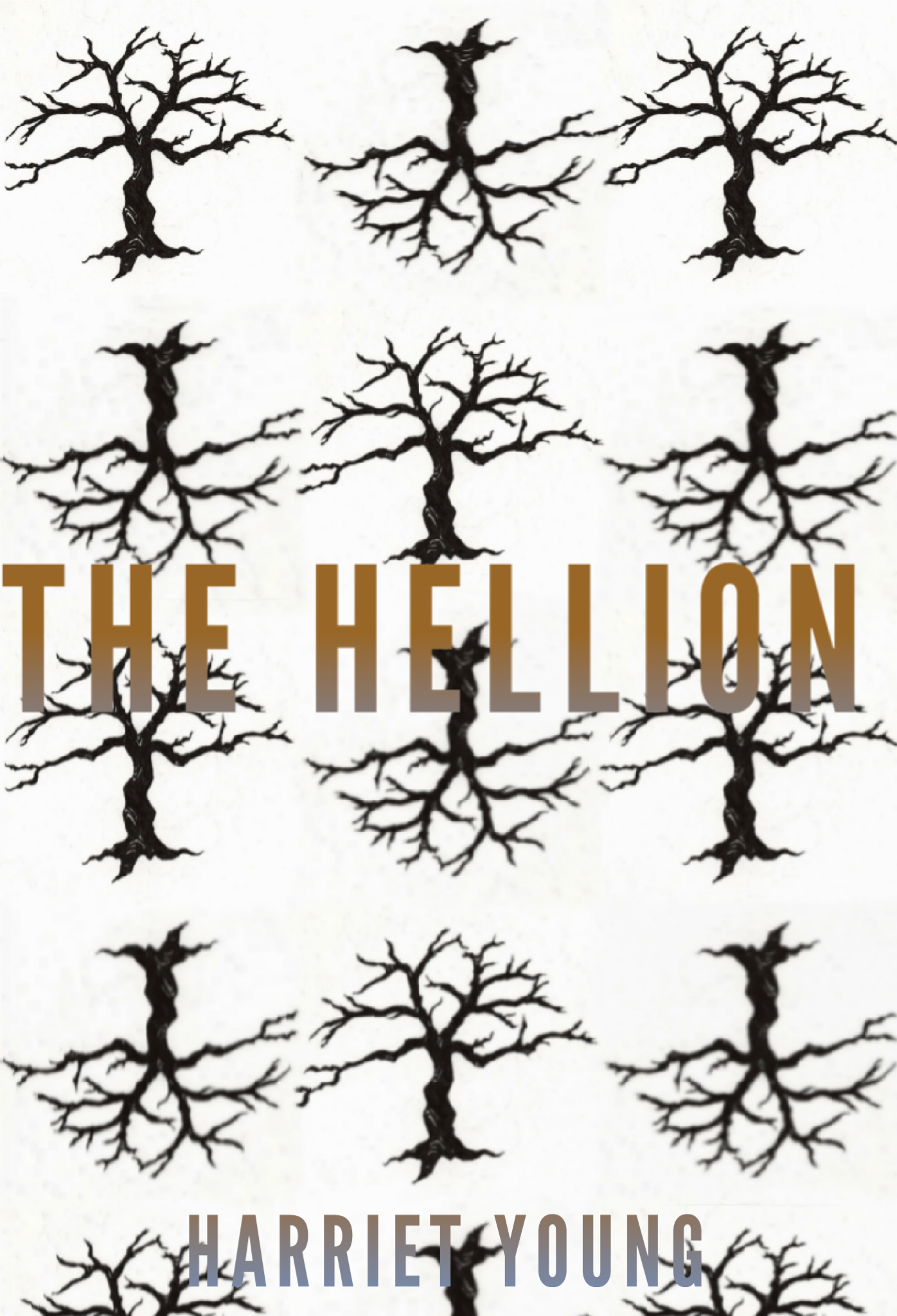
I am by no means an expert, and the advice I will share here is merely a mishmash of other, wiser people’s words, but it helped me immensely when writing my first novel (The Hellion – now almost funded through Unbound publishers! You can still preorder now).

1. Just get started

I am certainly guilty of this. Finally getting the idea for a novel and being unable to start until the plot is perfect and all research has been completed. The problem is, no matter what your novel is about, research can never be finished! There is always something more you can learn. So, when you get that idea, start writing. The plot and research can happen alongside, but get some words on the paper first. Then you’ll learn whether this really excites you, or whether it feels like too much of a chore (notice I say too much – however much you enjoy writing, there can often be times when it feels like a chore).

2. Don’t feel that you always have to write your best work

You wanted to write a chapter today but, on sitting down at your laptop, you discover that you have lost the ability to string a sentence together. No matter how many times you try to form the words, it sounds clunky and trite. Don’t worry! Just leave the sentence as it is and keep writing. Get that chapter down. It doesn’t have to be the best thing you’ve ever written – not even close. You can go back and edit it later.

3. Be your own cheerleader

Who here is their own worst critic? Who thinks that everything they write is terrible, and can’t muster the courage to show it to anyone else? It is difficult to change that mindset, but it is important to. Reward yourself when you’ve written a set number of words or pages – it’s an amazing achievement! Think of the advice runners are always given – no matter where you place in a race, you have beaten all of the people on the sidelines or tucked up in bed at home. Everything you write hones your skill. Celebrate it. Be proud.

4. Find a schedule that works for you BUT don’t beat yourself up when it fails

For too long, I thought that if I wasn’t writing every day then there was no point in doing any at all. If I was tired when I got home from work and chose not to write – well, that would be it for the next few months. The chain of writing every day was broken, so I might as well stop forever. Totally wrong! It’s just that I hadn’t found the way I best write yet. It was only when I tried NaNoWriMo that I found what suits me – high volume, short time – a month of writing 1500+ words a day. The ridiculously high target forced the words out of me. This is how I’ll write (or at least finish) all of my future novels; no slow burn here. But the important thing – I didn’t actually write the target of 50,000 words in my NaNoWriMo months, more like 25,000-30,000. Is this a failure? No! I was way further on than I had been at the start of the month. That is a win.

5. Procrastinate less

This is the most difficult one for me. I am a master procrastinator. I find starting hard, so I set myself a time in my head. At 6pm, I’m going to start writing. In the half an hour until then I can do what I like, browse the internet, cook tea, dust the shelves, but I’m starting my writing at 6pm. If I get the urge to stop and do something else while I’m writing, I do. I let myself take little breaks. As long as I’ve started, I can feel good about my progress.

What do you struggle with when you’re writing? Share in the comments below!

The Story of The Hellion

You may have noticed recently that my Instagram account has been taken over by my new book, The Hellion. In case you weren’t aware, my first novel has been picked up by Unbound Publishers, and it is currently undergoing a crowdfunding campaign in order to get it published. At the time of writing, it is 58% funded and I am tentatively hopeful that it will get there!

I wanted to write a series of blog posts about writing and the publishing process because I know this is of great interest to lots of you. When I asked what you would most like to read about, one of the instantly most popular responses was ‘what is the story of your book?’ Or, ‘why did you write your book?’ Or ‘why did you decide to write this book?’ So, I thought I would comply and tell you the story of The Hellion.

I have always written. I can’t remember a time when I haven’t had a work in progress. It used to be my favourite thing at school. I remember I would write pages and pages in smudged cartridge pen in primary school, feverishly getting the next important story down. In Friday share assemblies, I would often be picked to read my work aloud in front of parents and pupils, with the whispered entreaty from my teacher, “just try to cut it down a little bit?” – apparently my audience would not appreciate six pages about a Bengal tiger that appeared in a kitchen when a tiger printed plate was smashed.

As I grew older, of course writing was pushed aside in favour of other things. Going to university, working, getting on with life. It was always in the background though. I’d be hit by a creative fervour every now and then, spend a week or two writing 10,000 words, then drop it when I felt the story wasn’t going anywhere.

Eventually, I started blogging. It was a food blog to start with, and writing little stories to go with my recipes was enough for a while. Then, that fell out of favour too. It was too much, cooking, writing out the recipes, editing the photos. But, after I had stopped doing that, I noticed an emptiness. I needed something to fill that hole.

The start of The Hellion coincides exactly to the day with the start of my Instagram account. In the Spring half term of my teacher training, during an extraordinarily difficult term, I decided I needed a distraction. So, I began writing again. I had come across the Pendle witch trials again, through some Wikipedia browsing, and thought the story of Jennet was so interesting that it needed a novel (more on that in another blog). I don’t know why, but after I wrote the first page, I set up an Instagram account. To start with, my account was going to be for writing rather than reading, but it’s definitely evolved! If you scroll back to my first post, all the way back on 4th March 2017, you’ll see that it’s a screenshot of the first page of The Hellion! I felt immediately that this was the first novel I’d actually finish. At the time, it was called Novel.

I spent a few months researching and writing intermittently while I finished my teacher training. A few words here, a few words there, until finally I decided to take part in NaNoWriMo in November 2017. In case you haven’t heard of it, this is National Novel Writing Month and the aim is to write 50,000 words in 30 days. I failed, but by the end of the month, my novel – now with a spanking new name ‘Dear Jennet’ was 21,000 words long. This was the most I’d ever written, I was proud of it, and I couldn’t drop it.

Without that first NaNoWriMo, The Hellion would never be where it is now. However, it needed almost complete rewriting! I spent the next year picking over every word until November 2018, when I spent NaNoWriMo finishing the novel. It was at this point that I decided a new name was needed, and finally settled on The Hellion.

By this point, it was a labour of love. To spend that many hours researching, crafting, sweating over a story, it would be a fallacy to do nothing with it. I felt there was nothing to lose in sending it off to publishers and agents – but I’ll save that story for another day.

That is my story of writing. And it seems so strange that I’m just 42% away from having my first book published! If you haven’t already, and would like to preorder my book to help this dream become a reality (and get a first edition with your name printed in it!) please, please follow the link to my Unbound page and make a pledge today.

Thank you so much!

If you have any ideas for other blog posts, please feel free to get in touch!

Decline and Fall – Evelyn Waugh

Decline and Fall – Evelyn Waugh

“…any one who has been to an English public school will always feel comparatively at home in prison. It is the people brought up in the gay intimacy of the slums, Paul learned, who find prison so soul destroying.”

I have read Brideshead Revisited once, many years ago, but apart from that had never read anything by Evelyn Waugh until I picked up this book. I had no idea what to expect, but I had not expected a laugh-out-loud story which caused me to choke on my chuckles in the quiet carriage of a train to London.

This story tracks Paul Pennyfeather’s escapades following a rather ignominious expulsion from college. Every time things are going right, something goes wrong. The characters Paul meets along the way are invariably a mix of grossly unbelievable and intimately plausible- if you think that sounds like a contradiction, you’d better read this book.

We realise, somewhere close to the end of the story, that Paul’s decline and fall is down to the outside actions of other characters, boisterously thrusting themselves through life. Paul is a bystander and, as a result, is treated if not badly then with a great amount of indifference to his comfort. If there is a moral to this story, then perhaps it is this – do not be a bystander in your own life. I’m not sure Waugh would agree with that conclusion, though.

An entertaining account of the absurdity of life.

8/10

Decline and Fall (2) (Penguin Classics Waugh 02)

https://storage.ko-fi.com/cdn/widget/Widget_2.jskofiwidget2.init(‘Support Me on Ko-fi’, ‘#29abe0’, ‘P5P49PBMG’);kofiwidget2.draw();

American Gods – Neil Gaiman

American Gods – Neil Gaiman

“All your questions can be answered, if that is what you want. But once you learn your answers, you can never unlearn them.”

I am so excited to finally be sharing this review with you. This book is long (635 pages!) and due to various commitments it took me about a month to read. But, I don’t regret it for a second.

So far, I have adored everything I have read by Neil Gaiman – though that is limited to Coraline, Norse Mythology and now American Gods – and it is entirely down to his story craftmanship. So unique.

Anyway, to this story – I had no idea what to expect. However, I was pleased to surmise within the first few pages that there is something to do with ancient gods within these pages – and I am fascinated by ancient gods (as Neil seems to be). I immediately thought, ‘ah! This is a story about gods’. I was wrong. It is a moving, disconcerting dissection of human grief. Well, that was the impression I was left with, though there are so many layers to this story that I am certain every reader could come away with an entirely different perspective.

This was an immense, strange masterpiece and, now that I have read it, I am greatly anticipating watching the series on television. But I’m glad I read the book first. I pity the poor person who squeezes Gaiman’s imagination into eight episodes.

9/10

The book:American Gods + Anansi Boys

The TV series:American Gods [DVD] [2017]

https://storage.ko-fi.com/cdn/widget/Widget_2.jskofiwidget2.init(‘Support Me on Ko-fi’, ‘#29abe0’, ‘P5P49PBMG’);kofiwidget2.draw();

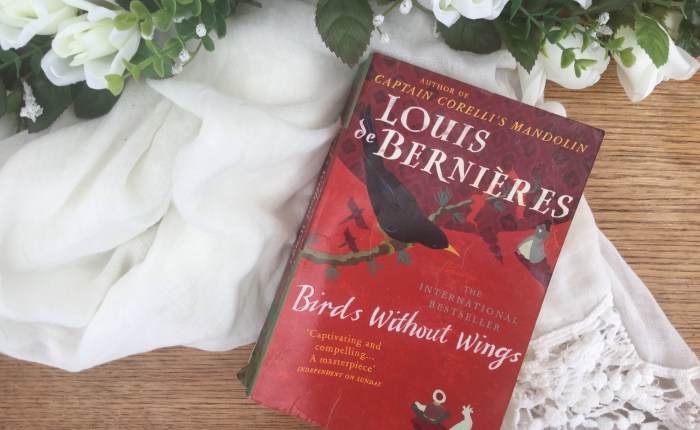
Birds Without Wings – Louis de Bernieres

Birds Without Wings – Louis de Bernieres

“Man is a bird without wings and a bird is a man without sorrow.”

I adore Captain Corelli’s Mandolin. The first time I read it was on holiday, sitting in the sun listening to the birds and the crickets, the scents of oranges and lemons filling the air. I am taken back every time I reread it.

However, this is not a review about Captain Corelli’s Mandolin. This is a review about a less well known book by the same author- Birds Without Wings. I didn’t read this on holiday, because I have none of the nostalgia when I reread it. Instead, it is unsettling.

Louis de Bernieres weaves intensely real stories about incredibly believable people. His settings (this one is set in Anatolia) are compelling and I was left with the impression that I had physically been there. But, Louis de Bernieres takes these people, who you come to love, and these settings, where you can see yourself living, and smashes them up, leaving you heartbroken.

Of course, the smashing is done artfully and poetically. He is mimicking the destruction that occurred during World War I. He turns it into many intimate and devastating personal stories,    reflecting the huge loss of life during that conflict. He manages this, in my opinion, better than that other master of war stories, Sebastian Faulks.

At its heart, this is a love story, as Captain Corelli’s Mandolin is. It is as raw and desperate and bittersweet as love can be.

7.9/10

Birds Without Wings

https://storage.ko-fi.com/cdn/widget/Widget_2.jskofiwidget2.init(‘Support Me on Ko-fi’, ‘#29abe0’, ‘P5P49PBMG’);kofiwidget2.draw();

Brushstrokes in Time – Sylvia Vetta

Brushstrokes in Time – Sylvia Vetta

“I come into this world

Bringing only paper, rope, a shadow.”

My Bank Holiday Monday has not quite gone the way I expected it to. I had planned a Spring clean, preparations for the coming week at work, perhaps a walk. None of this has yet happened. I have instead read, from start to finish, Brushstrokes in Time by Sylvia Vetta.

The story, based (heart-wrenchingly) on real-life events, is set in China and spans decades, through the 1950s to the 1990s. Prior to reading this book, I had not considered life in this period as particularly difficult in China. I was born in 1988, and this struggle has been invisible to me before now. Of course, I have seen the image of the solitary man in Tiananmen Square holding up the tanks, but I didn’t know the reasons for this, nor had I considered the human stories behind it.

As with all my reviews, I do not wish to give the plot away here (the joy of reading a story is discovery, surely?) but to briefly overview – we follow a young woman who just wants to experience the joy and beauty in the world. Perhaps unwittingly, she becomes a scapegoat for a regime which is violently and embarrassingly lacking in self-confidence by this time.

By the time I finished reading, I (normally stone-hearted, as anyone who knows me will tell you) was wiping tears from my face. Perhaps the most beautiful part of the story is that our main character was relaying her life story to her daughter, born in America and unaware of the struggles her immigrant mother had faced.

A truly human story, in equal measures enlightening and disheartening. I read this story as an ebook but will be purchasing a physical copy for my bookcase so I don’t forget it.

8.5/10

Brushstrokes in Time

Norse Mythology – Neil Gaiman

Norse Mythology – Neil Gaiman

I have always adored Norse Mythology. I love the way that the Gods are, despite being all-powerful, as flawed as humans. Thor is reckless. Odin is self-centred. Loki – well, Loki is the most amazing character I have ever come across. Greedy, cunning and always scheming.

I’ve read many depictions of Norse mythology, from many well respected authors. None of them were quite like this re-telling by Neil Gaiman.

Prior to this book, I had, to my shame, only ever read Coraline by Neil Gaiman. I had enjoyed the creepiness of that story, and could see how his style would be well suited to Norse mythology.

Gaiman is true to the original myths, but uses his unique talent to bring the Gods to life as I have never experienced them before. I flew through the book, greedily absorbing the tales of Loki’s terrifying children, Odin’s missing eye, Thor’s unusual wedding day. This may be the only re-telling I ever read again.

A must read for any fan of Norse mythology.

8.5/10

Norse Mythology

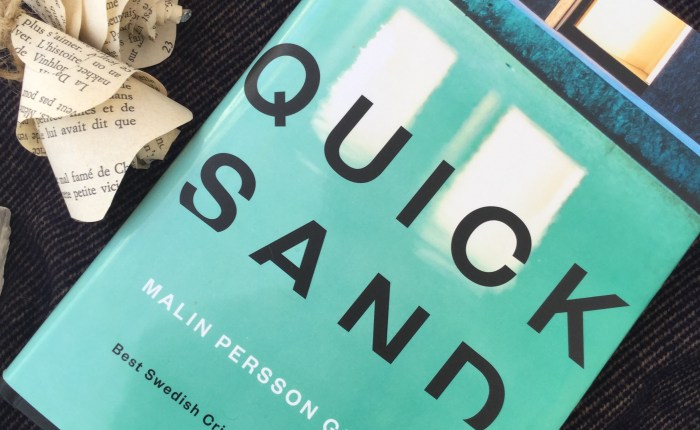
Quicksand – Malin Persson Giolito

Quicksand – Malin Persson Giolito


You are innocent until the courts have ruled that you are guilty. What kind of weird statement is that? Either you’re innocent all along, or else you did it, right from the start.”

I’d never heard of Malin Persson Giolito before I picked up this book, drawn in by its cover and a description of it as ‘The Secret History meets We Need To Talk About Kevin’. I was not disappointed- more than that, I was astounded.

I couldn’t put the book down. It’s one of those which hooks you in; I ended up cooking dinner one handed, the other grasping this book. Luckily, I avoided any serious burns.

The story starts with a high school shooting. The main perpetrator, Sebastian, is dead. His girlfriend, Maja, survives and we follow her trial as we try to establish whether or not she was complicit in the murder of her classmates.

Malin Persson Giolito has struck the perfect balance with her main character. She is not overly likeable, but I didn’t hate her either. She seemed naive, but as convinced about the definition of ‘true love’ as we all were at eighteen. From the outside looking in, we can see the huge flaws in her relationship, but it is impossible to say we would have acted differently when overwhelmed with the attentions of an older, richer and more popular man.

I won’t say any more about the story because the main enjoyment I got from it was never knowing what would happen next. Suffice to say, the description I had read prior to the book is an apt one and I immensely enjoyed the process of reading it. The accolade of ‘best Swedish crime novel of 2016’ is worthy and I’m looking forward to Malin’s next book already.

8.5/10

Quicksand

https://storage.ko-fi.com/cdn/widget/Widget_2.jskofiwidget2.init(‘Support Me on Ko-fi’, ‘#29abe0’, ‘P5P49PBMG’);kofiwidget2.draw();

Top 10 Non-Fiction Books To Expand Your Mind

IMG_0353

“Books are the quietest and most constant of friends; they are the most accessible and wisest of counselors, and the most patient of teachers.”
― Charles William Eliot

The value of non-fiction books is so often overlooked in favour of other, more instant sources of knowledge (cough…internet…cough), but sometimes there is nothing so beautiful and thought provoking as a non-fiction book. In no particular order, here are my top ten non-fiction books for expanding your mind. Get learning!

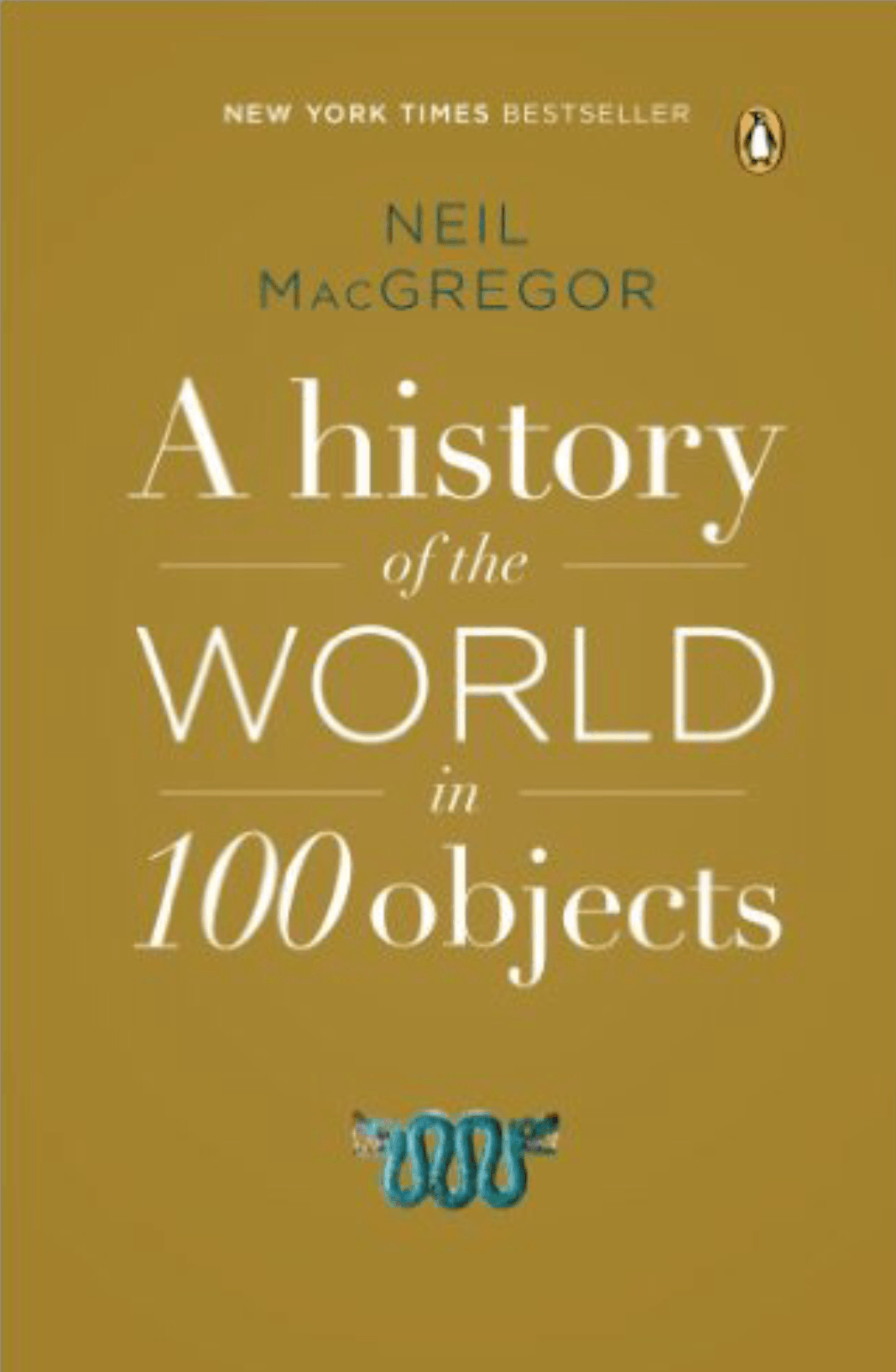
1. A History of the World in 100 Objects – Neil MacGregor

A history of the world in 100 objects neil macgregor

Beautifully presented, easy to read, and we learn about the civilisations of the world, from ancient history to modern day. The objects are intimate, strange and tell such wonderful stories about our predecessors.

Get it here:

A History of the World in 100 Objects

2. Freakonomics – Steven D. Levitt and Stephen J. Dubner

img_0344.png

Explains statistics in laymans terms and somehow, amazingly, makes them exciting, interesting and endlessly entertaining. An excellent way to learn about how statistics are used both correctly and incorrectly.

Get it here:

Freakonomics

3. Silent Spring – Rachel Carson

Silent spring Rachel carson

Although outdated now, this book should be read by all- it led to the understanding most of us have about the effect we as a species has on our planet. Particularly pertinent due to high profile climate change deniers!

Get it here:

Silent Spring (Penguin Modern Classics)

4. A Brief History of Time – Stephen Hawking

Stephen hawking a brief history of time

After I had read this, I felt like my brain had doubled in size. I just understood so much more. Incredible facts and theories about the universe we live in.

Get it here:

A Brief History Of Time: From Big Bang To Black Holes

5. The Origins of Totalitarianism – Hannah Arendt

img_03471.png

In our modern society, we often look back on Nazi Germany and wonder how it happened, because we wouldn’t vote for that. This important book, written just after WW2 highlights some disquieting similarities to our world now.

Get it here:

The Origins of Totalitarianism

6. The Story of Art – E. H. Gombrich

IMG_0348

A beautiful book which will give you a background to the most admired works of art in the world. Make sure you get a recent edition which will include some modern art too.

Get it here:

The Story of Art

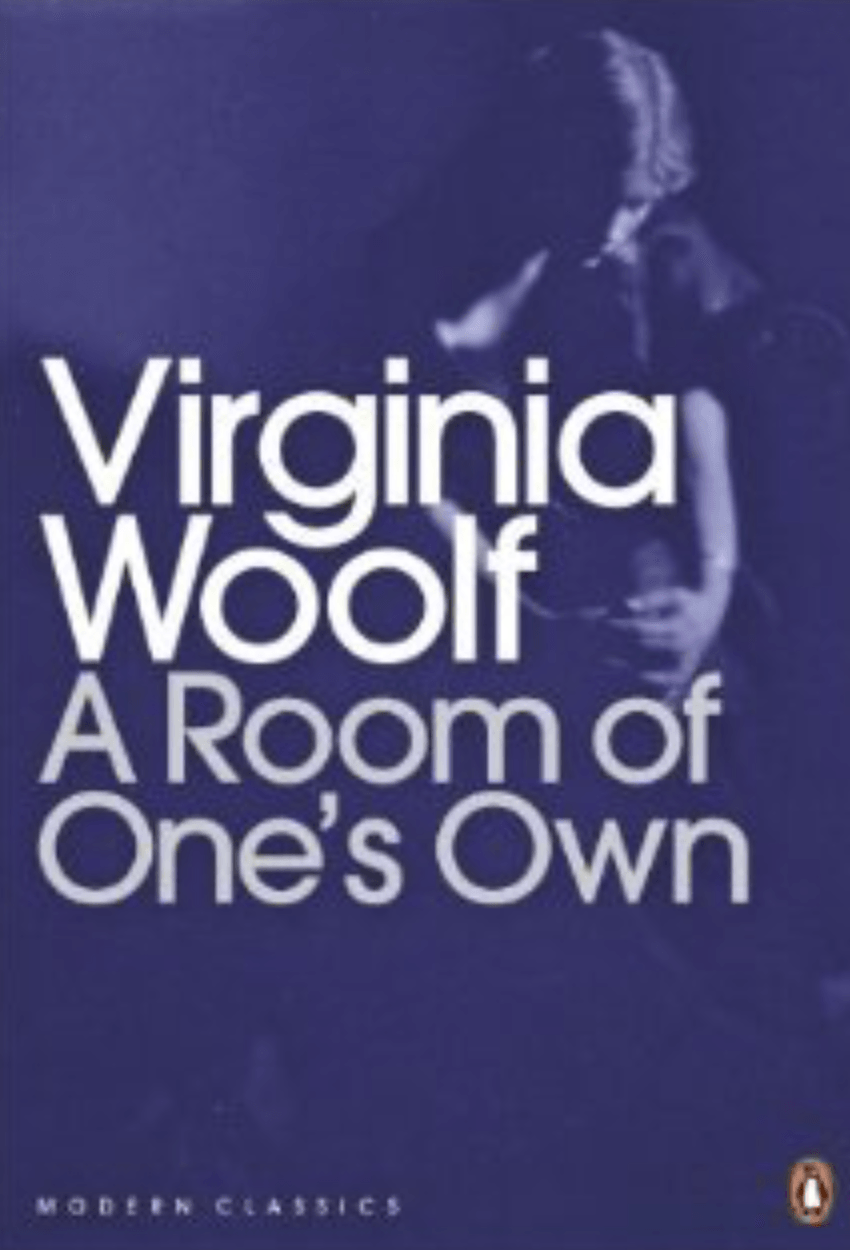
7. A Room of One’s Own – Virginia Woolf

IMG_0349

‘Feminism’ is so often seen, ridiculously, as a dirty word. Read A Room of One’s Own to see why it is necessary. A quick read, but an important one.

Get it here:

A Room of One’s Own (Penguin Modern Classics)

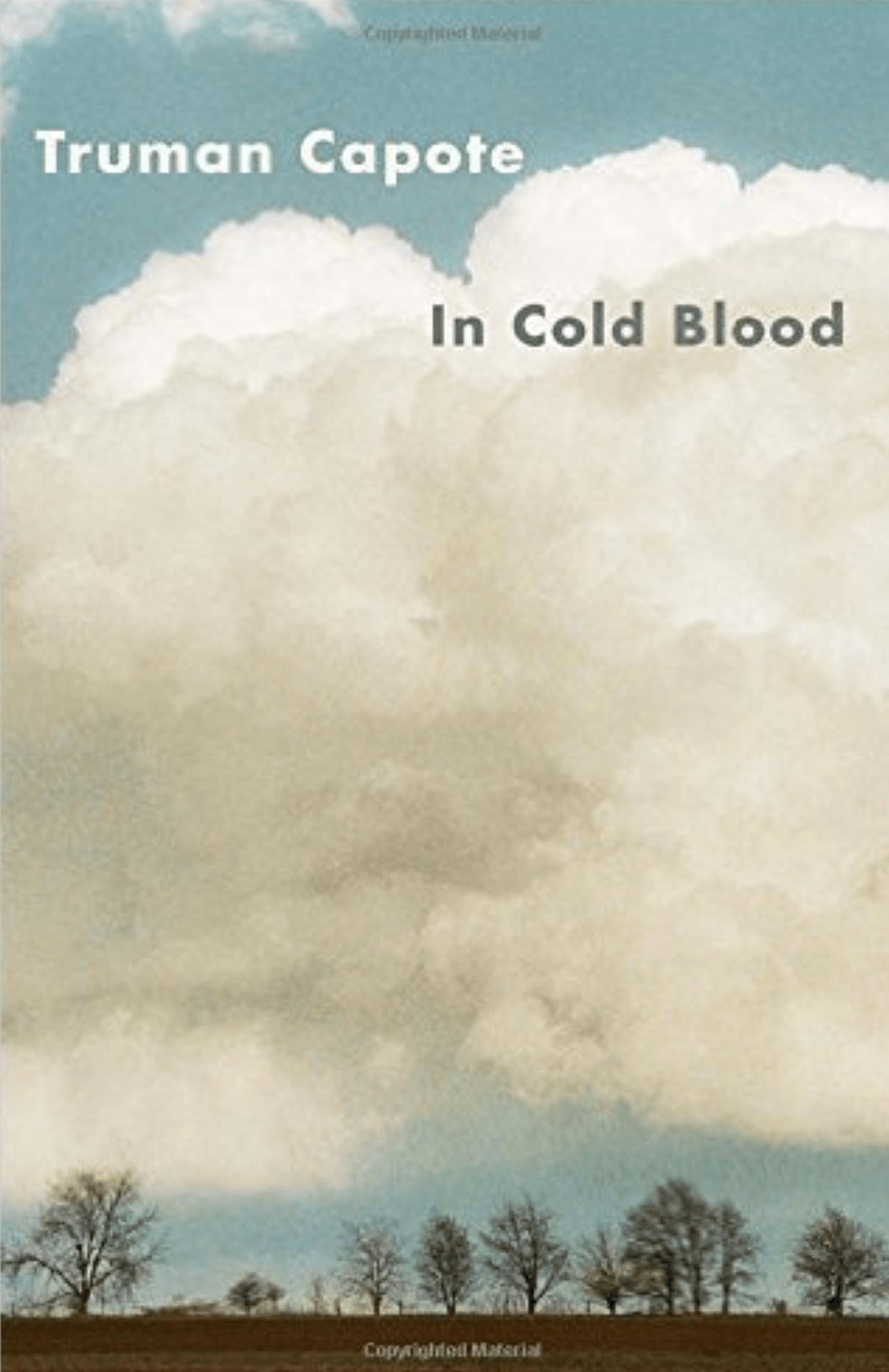
8. In Cold Blood – Truman Capote

IMG_0350

Widely dubbed as the first ever true-crime book, Truman Capote meticulously picks apart and examines the lives of a murdered family, and looks into the motivation behind the horrific crime.

Get it here:

In Cold Blood : A True Account of a Multiple Murder and Its Consequences (Penguin Modern Classics)

9. The Man Who Mistook His Wife for a Hat – Oliver Sacks

IMG_0351

Oliver Sacks recounts the tales of patients with neurological disorders. Endlessly fascinating and desperately human stories.

Get it here:

The Man Who Mistook His Wife for a Hat

10. Born to Run: A Hidden Tribe, Superathletes, and the Greatest Race the World Has Never Seen – Christopher McDougall

img_0352.png

An amazing eye opener about the capabilities of the human body! If you want to learn what your body can do, this book is a brilliant place to start. Truly inspiring.

Get it here:

Born to Run: A Hidden Tribe, Superathletes, and the Greatest Race the World Has Never Seen

Enjoyed this? Why not have a look at 30 books to read before you’re 30.

Buy Me a Coffee at ko-fi.com